
"Puerto Rico coffee industry"
500 article(s) found

A brief introduction to the flavor, taste and aroma characteristics of Larez Yaoke boutique coffee beans
Puerto Rico was originally inhabited by the Indian Taino tribe. Christopher Columbus sailed here in November 1493 and named it San Juan in honor of John the Baptist the Baptist. In 1508 the Spaniard J. Ponce de Leon established a colonial stronghold on the island and was appointed governor the following year. It was colonized by Spain in 1509. The original on the island.

A Brief Introduction to the Processing Method of Grinding Degree and Roasting Degree of Lares Yaoko Fine Coffee Beans with Full Flavor
Puerto Rico's coffee beans are carefully grown, pure, aromatic and granular. The best coffee is Yauco Selecto, which means select. Grown only on three farms in the south-west of the island, San Pedro, Caracolillo and La Juanita, Yocote Coffee has a strong aroma and a long aftertaste, making it a true premium coffee. Puerto Rico

A brief introduction to the flavor, taste and aroma characteristics of Larez Yaoke boutique coffee beans
On September 23, 1869, the people of Puerto Rico were in R. Under the leadership of Emmetrio Betons, an uprising was held in the town of Larez (known as the voice of Larez in history), which declared the establishment of a republic on the 24th and was later suppressed by the Spanish colonial army. After a long struggle, Puerto Rico was finally granted local self-government by Spain. However, from then on, after the Spanish-American War, the island became an American colony, when

Puerto Rican Coffee Variety Flavor description Taste characteristics Fine Coffee introduction
Coffee cultivation has brought them good returns. In the 1860s, they dominated the coffee industry on the island, when Puerto Rico produced the sixth largest coffee bean in the world. The coffee trees planted by Corsican immigrants on the highlands were regarded as selected, and the origin of Yauco Selecto coffee beans was mainly traced back to this period, but there were two strong hurricanes in 1898.

A brief introduction to the description of flavor and aroma characteristics of Larez Yaoke boutique coffee beans with a long aftertaste
The national economy of Puerto Rico developed rapidly in the 20th century. Stimulated by the strong support of the government and the expanding demand of the local market, Polish coffee gradually returned to its former elegant demeanor. The Yauco region is famous for its full Body, creamy and red wine aftertaste and chocolate nut finish. Puerto Rico's new farm coffee is gentle and soft.

A brief introduction to the planting market price of Larez Yaoke boutique coffee beans with a long aftertaste
On September 23, 1869, the people of Puerto Rico were in R. Under the leadership of Emmetrio Betons, an uprising was held in the town of Larez (known as the voice of Larez in history), which declared the establishment of a republic on the 24th and was later suppressed by the Spanish colonial army. After a long struggle, Puerto Rico was finally granted local self-government by Spain. However, from then on, after the Spanish-American War, the island became an American colony, when

A brief introduction to the treatment method of grinding degree and baking degree of Larez Yaoke boutique coffee beans with a long aftertaste
Puerto Rico's coffee beans are carefully planted, pure, aromatic and heavy, of which the best coffee is Yauco Selecto, which means Selecto. Yaocote Coffee is grown only on three farms in the southwest of the island, San Pedro, Caracolillo and La Juanita. It is a truly high-quality coffee with a strong flavor and a long aftertaste. Puerto Rico

A brief introduction to the origin, development, history and culture of Larez Yaoke boutique coffee beans with unique flavor
The whole history of coffee in the Caribbean has a lot to do with Spanish reclamation. Coffee was not that important in the 18th century. The main job was to grow sugar-producing crops in fertile valleys. In the early 19th century (1800), the residents of Corsica in the French Mediterranean moved to Puerto Rico because the valleys had been occupied by Spanish immigrants.

A brief introduction to the description of the flavor and flavor characteristics of Larez Yaoke coffee in the manor area of Puerto Rico
Dora, Puerto Rico, coffee is the best in the world. Puerto Rico coffee is generally carefully cultivated, pure, fragrant, granular, among which the best is among the world's famous brands. Doradot is the best, with a strong flavor and a long aftertaste, and its aroma is comparable to that of any coffee variety. Puerto Rico was originally inhabited by Indians and went to America for the second time by Columbus.

A brief introduction to the cultivation of Larez Yaoke boutique coffee beans with complete flavor, geographical location, climate and altitude
On September 23, 1869, the people of Puerto Rico were in R. Under the leadership of Emmetrio Betons, an uprising was held in the town of Larez (known as the voice of Larez in history), which declared the establishment of a republic on the 24th and was later suppressed by the Spanish colonial army. After a long struggle, Puerto Rico was finally granted local self-government by Spain. However, from then on, after the Spanish-American War, the island became an American colony, when
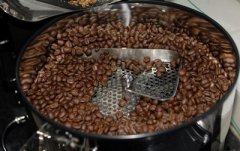
Flavor description of American Puerto Rican Fine Coffee introduction to the origin of Puerto Rico boutique coffee
Puerto Rico's new farm coffee is a mild, supple and well-balanced island bean with a charming single malt flavor, extremely sweet when sipped in a cup, and medium-roasted creamy and greasy texture that is often suitable for Puerto Rico island beans. The whole history of coffee in the Caribbean has a lot to do with the Spanish reclamation, and coffee was found everywhere in the 18th century.

Evaluation of the Flavor of American Puerto Rican Fine Coffee beans introduction to Puerto Rico Fine Coffee
Puerto Rico's new farm coffee is a mild, supple and well-balanced island bean with a charming single malt flavor, extremely sweet when sipped in a cup, and medium-roasted creamy and greasy texture that is often suitable for Puerto Rico island beans. The whole history of coffee in the Caribbean has a lot to do with the Spanish reclamation, and coffee was found everywhere in the 18th century.
Puerto Rican coffee is highly respected and loved by many coffee lovers.
The decline of Puerto Rico's coffee industry has a lot to do with its awkward economic and political situation. During the Spanish-American War, the United States had established a strong and lasting coffee trade agreement with Brazil, a coffee giant, and did not give too much thought to Puerto Rico, which had just been successful. And the economic purpose of the United States in the Caribbean is mainly focused on the sugar industry, which also makes the local sugar cane production like that.

A brief introduction to the treatment method of grinding degree and baking degree of Larez Yaoke boutique coffee beans with unique flavor
Yaocote's coffee, grown on three farms in the southwest of the island, is fragrant and has a long aftertaste. This kind of coffee is very expensive and its flavor is comparable to that of any other coffee variety in the world. In the Yaoke area, the coffee is owned and operated by the local planter. The mountain climate here is mild, the plants have a long ripening period (from October to February), and the soil quality is excellent.

Introduction to Puerto Rico Fine Coffee Bean Puerto Rico Coffee Region Manor
Caribbean Sea is a warm romantic mysterious sea, many good coffee also around this ring sea Jamaica Blue Mountain, Dominican Republic, Cuba Crystal Mountain, Puerto Rico Yuco, etc. These are the world's most famous production of rare expensive coffee, these island beans give people a light milk fragrance and elegant flowers, acid delicate soft, although still difficult to avoid the island sultry climate caused coffee

Puerto Rican coffee producing area Puerto Rico coffee bean flavor
Puerto Rico's new farm coffee is a mild, supple and well-balanced island bean with a charming single malt flavor, extremely sweet when sipped in a cup, and medium-roasted creamy and greasy texture that is often suitable for Puerto Rico island beans. Product description: the whole history of Caribbean coffee has a lot to do with Spanish reclamation, which was in the 18th century.

The flavor and taste of Puerto Rico coffee manor introduce the characteristics of Puerto Rico coffee
In 1736, the first coffee tree was introduced to Puerto Rico from Martinique. Since then, Puerto Rico has become the base for producing the highest quality coffee in the world. The unique taste chosen by Yaocote has also become the object of admiration of coffee experts all over the world. Most of the earliest coffee trees were planted by immigrants from Corsica. About 160 years later, the coffee industry in Puerto Rico has emerged

Introduction of coffee growing environment in San Pedro Manor, Puerto Rico, with strong flavor
Puerto Ricans are the general name of the residents of United States Puerto Rico in Central America and the Caribbean. There are about 3.4 million people (1979). Spanish and English are widely used. More Catholic. The earliest inhabitants of Puerto Rico were Arawak and Caribbean Indians. In 2012, whites of European origin accounted for about 73% of the population, mixed-race people accounted for 23%, and blacks accounted for 4%. There are more than 20,000 Americans and others.
Puerto Rican Coffee-the King's Coffee
Puerto Rico, a small country in South America, is made up of a series of scattered islands, each season like spring, luxuriant flowers and plants, like a chain of beads scattered by God, you can see the brilliance of heaven at the slightest turn. The main island, Puerto Rico, which is only 8959 square kilometers, is a small spot on the map, but it is like an enlarged bonsai. The island is mountainous and hilly, surrounded by the coast of the North Mountain.

Introduction to the unique acidic taste of San Pedro Manor Coffee, Puerto Rico
On 6 November 2012, Puerto Rico held its fourth referendum. The referendum consists of two rounds of voting. In the first round, Puerto Ricans voted on whether they wanted to change the status quo in their relations with the United States. 1.8 million people were eligible to vote, 65000 gave up the first round of voting, and 54 per cent of those who took part in the vote supported a change of relationship. Later, Puerto Ricans were like